Explore our premium machinery, industrial tools, and charging-compatible cordless products manufactured under stringent international quality guidelines.




The global transition towards high-performance cordless machinery, electric mobility, and automated logistics systems has changed the technical criteria for modern battery chargers. Traditional linear power supply systems are obsolete. The modern landscape demands high-efficiency switch-mode power supplies (SMPS) utilizing advanced semiconductor materials such as Gallium Nitride (GaN) and Silicon Carbide (SiC).
As a leading force in hardware fabrication and technical development, Zhejiang Pargo Tool Co., Ltd. addresses these demands. Modern OEM/ODM battery chargers must act as intelligent control hubs capable of regulating current dynamics, monitoring thermal levels, and communication protocols. By integrating custom-developed firmware and hardware protections, our charging networks achieve up to 96% energy conversion efficiency. This reduces heat emission and extends battery lifecycle across various applications.
Global procurement teams face challenges such as component shortages, variable certification requirements, and quality fluctuations. When sourcing battery chargers for heavy industrial applications or commercial product lines, procurement managers require manufacturers who possess:
Zhejiang Pargo Tool Co., Ltd. uses a vertically integrated approach. Drawing on nearly 15 years of industry experience, our engineering division assists clients throughout the product lifecycle. This ranges from initial drafting and prototype verification to mass production and custom retail packaging.
Our OEM/ODM manufacturing processes incorporate modern engineering practices, ensuring stable power delivery in demanding environments.
Utilizing high-frequency wide-bandgap semiconductors to shrink the form factor of industrial chargers by 40% while maintaining thermal thresholds and decreasing energy dissipation.
Integrated CAN/I2C communication controllers that execute a handshake with the battery's BMS. This enables safe, targeted charging cycles based on real-time cell conditions.
Hardware-level protection switches guard against over-voltage (OVP), over-current (OCP), short-circuits (SCP), and reverse-polarity events, maintaining site safety.
Take an inside look at our manufacturing facility, where automated systems and manual processes combine to ensure high quality and product consistency.
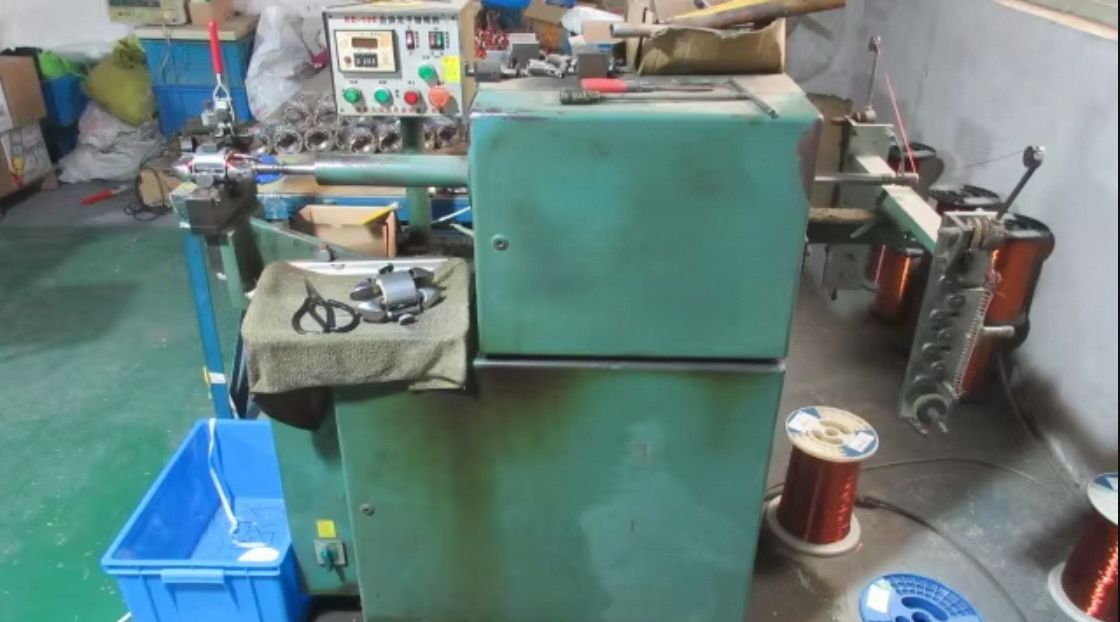
High-Speed Precision Winding
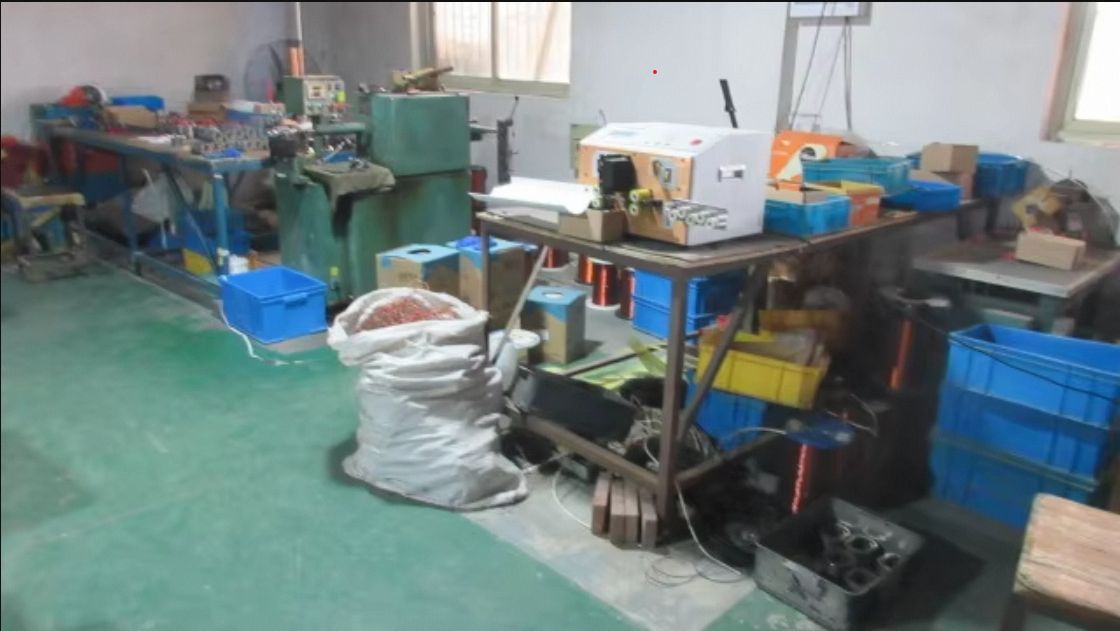
Automated Wire Wrapping

Slotware Application
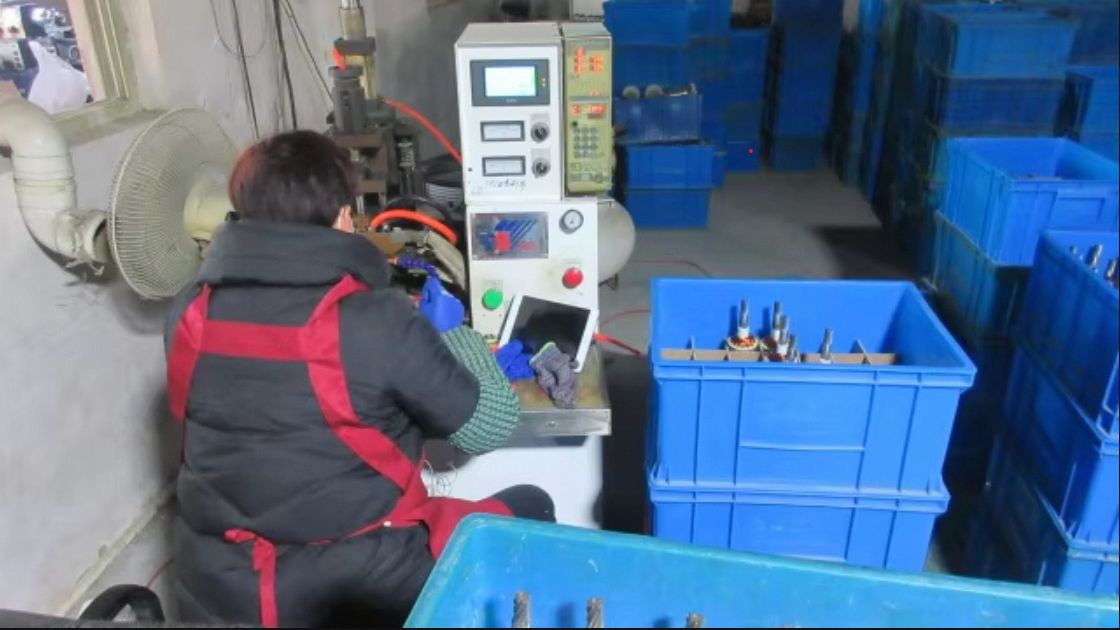
Precision Spot Welding
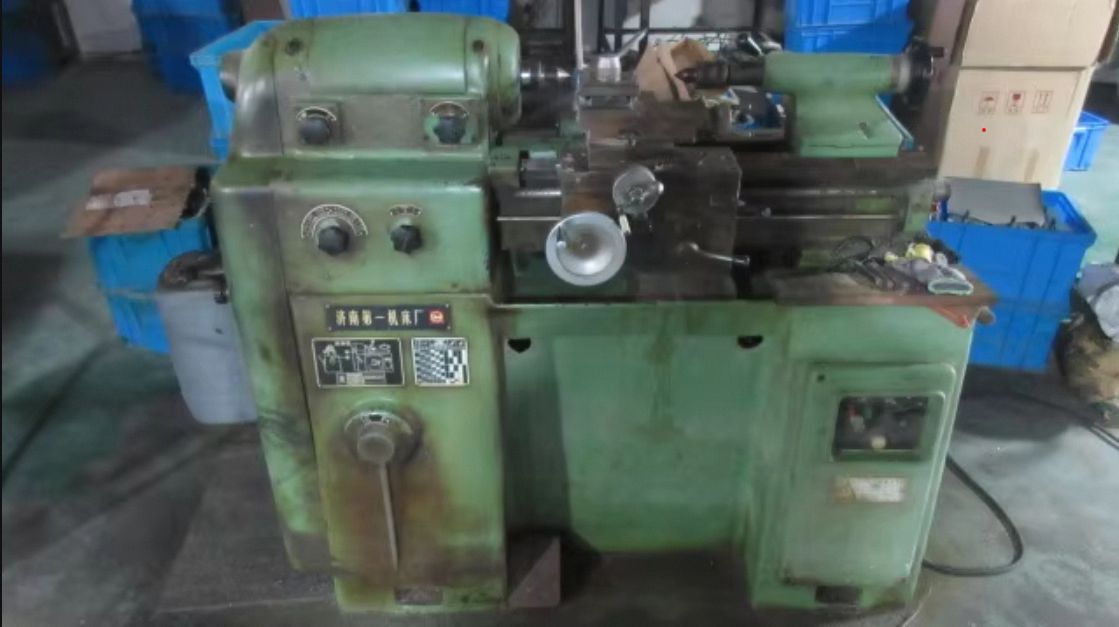
Finish Turning (FT)
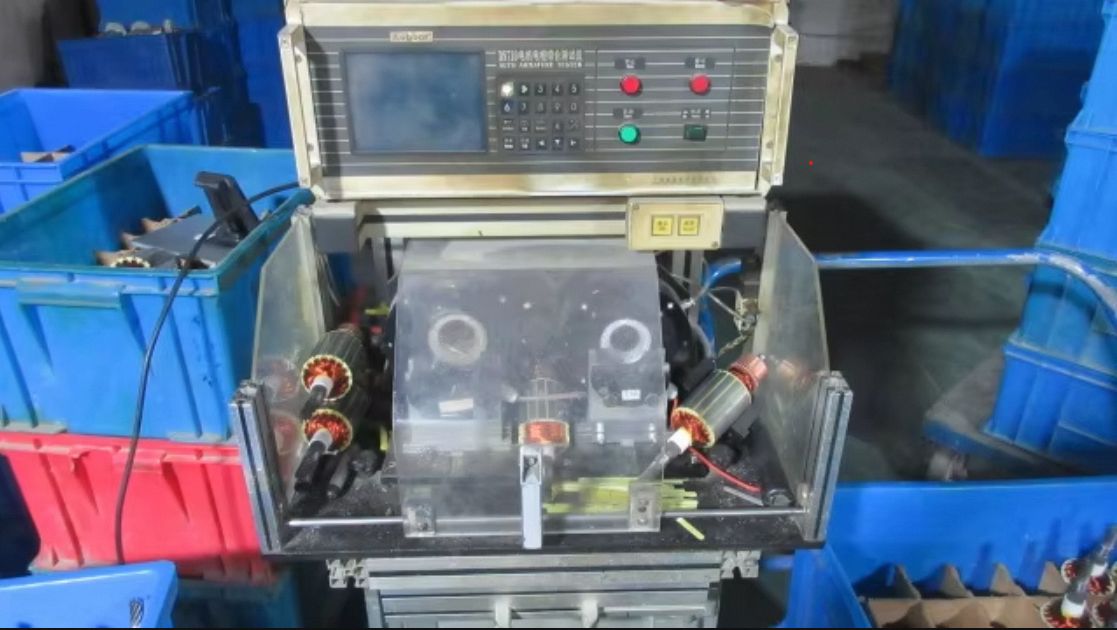
Dynamic Circuit Testing

Final Modular Assembly
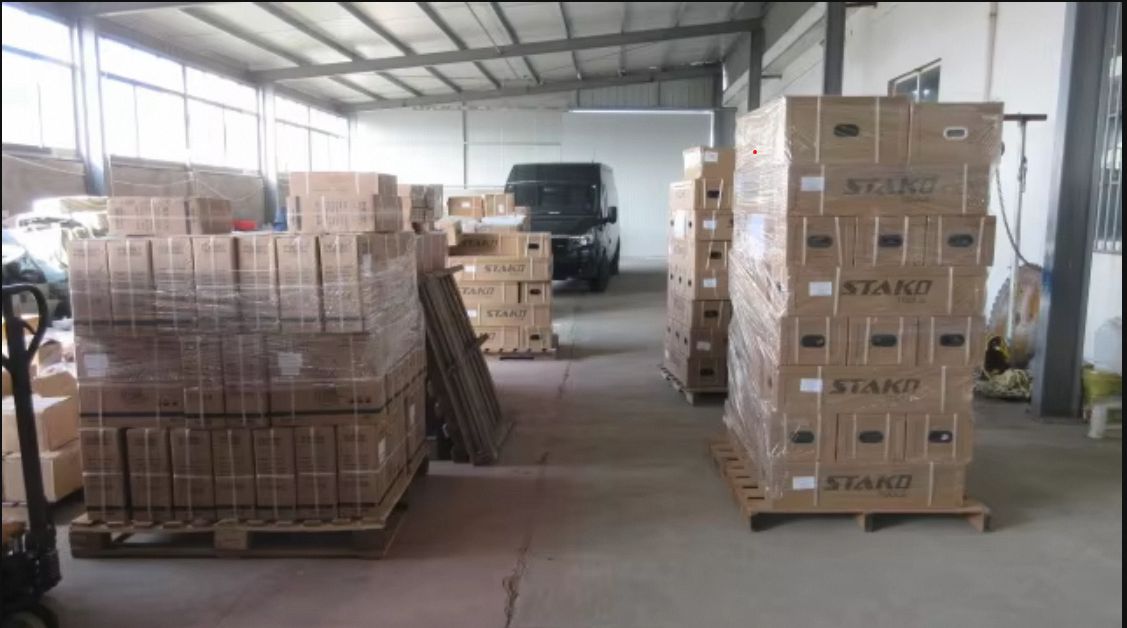
Finished Quality Assurance
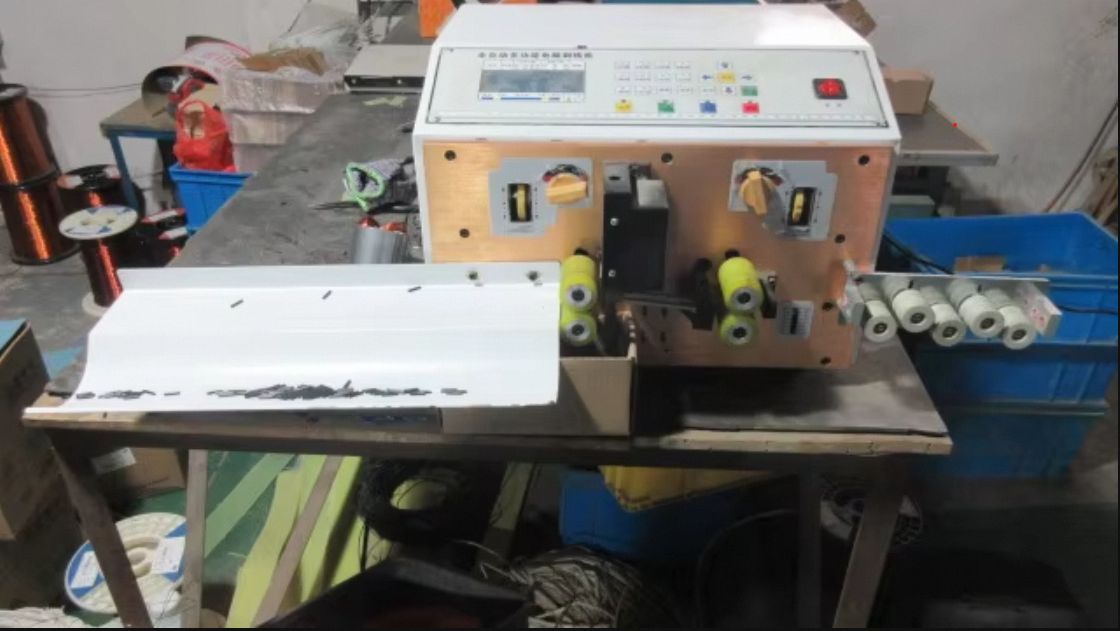
Secondary Winding Systems
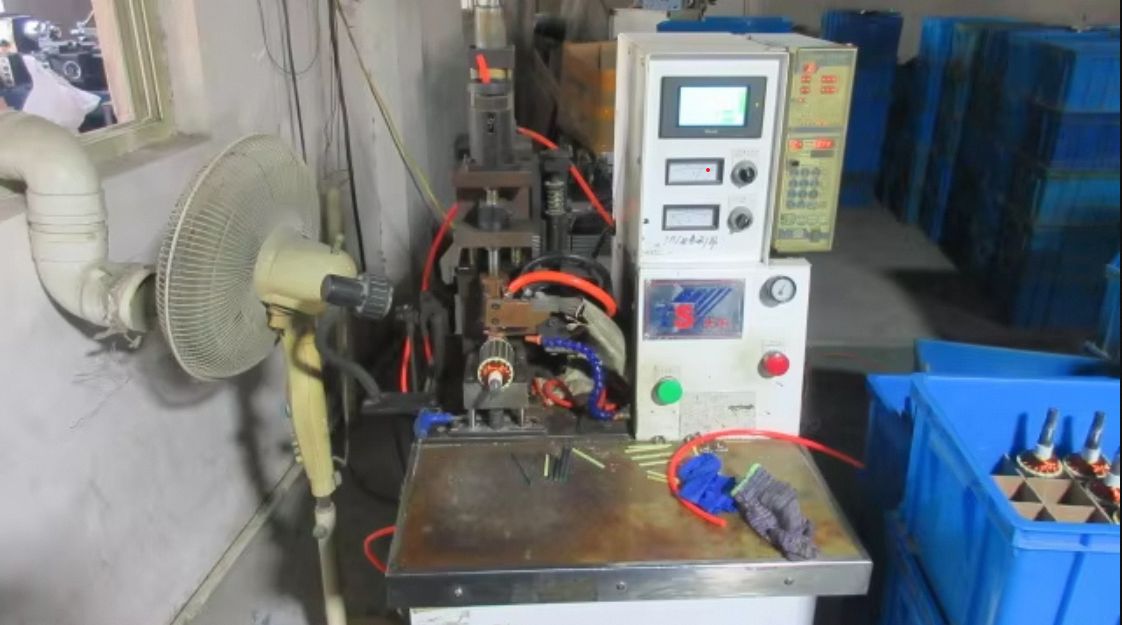
High-Current Spot Welding
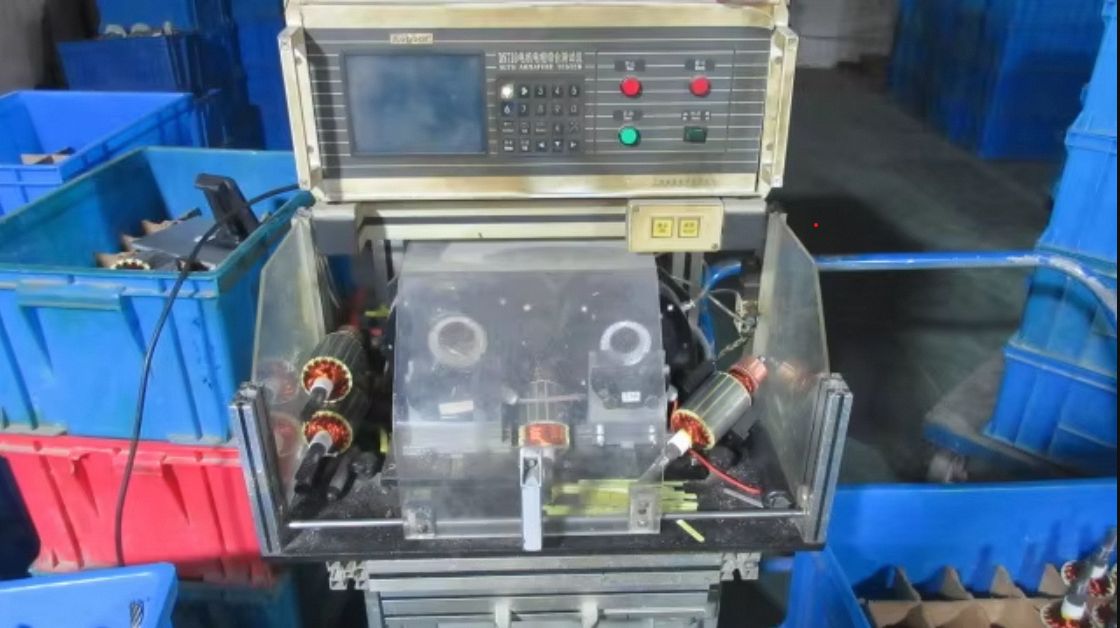
Voltage & Load Calibration
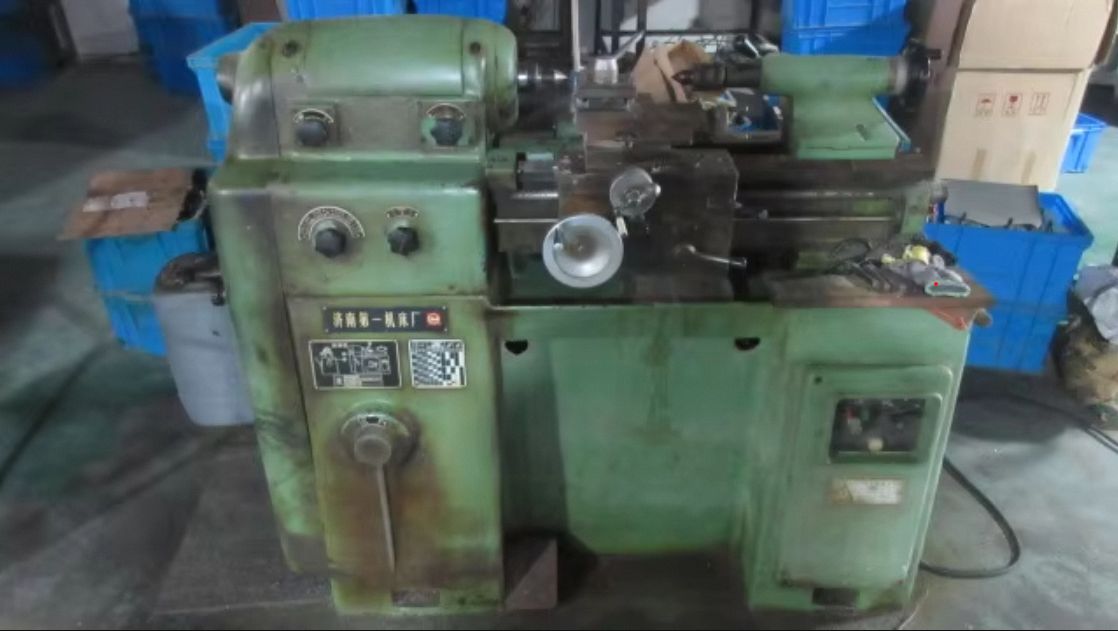
Mechanical Finish Turning (FT)
Our engineering services range from initial drafting to mass production. We begin with client-provided electrical parameters, load conditions, environmental ratings, and safety certifications. Our engineering team designs PCB schematics and housing structures to match, using 3D modeling and thermodynamic software to resolve thermal hotspots before physical prototyping.
Our hardware design includes transformer winding optimizations and automated PCB placement. During the spot-welding and mechanical assembly phases, we inspect internal connections, ensuring components stand up to the vibrations common in automotive and industrial environments. Every batch undergoes automatic testing, verifying voltage limits, over-current trip points, and heat thresholds.
Modern battery chargers are utilized across a wide variety of commercial sectors. Our OEM/ODM chargers are built to meet the specific requirements of each environment:
For electric scooters, delivery bikes, and micro-transit vehicles, efficiency and moisture resistance are critical. Our IP65 to IP67 rated dustproof and waterproof charger enclosures prevent failure from moisture and outdoor exposure. We also configure custom charging curves that safely speed up charging cycles without causing battery stress.
Contractors and industrial personnel rely on quick, repeatable charging cycles. Our high-amperage chargers work with intelligent feedback circuits built into battery packs. By managing initial current surges and using pulse-charging techniques, our systems decrease charge times for standard packs, minimizing downtime on the job site.
Agricultural irrigation setups, outdoor pumping equipment, and telemetry units require weather-resistant, independent charging systems. Our chargers are engineered to withstand wide outdoor temperature fluctuations, supplying steady power to battery arrays connected to backup power loops.
Auto repair shops require robust charging equipment that handles fluctuating grid inputs and heavy workshop environments. Our rugged workshop chargers feature internal surge protection, metal casings, and strain-resistant wiring to ensure reliable operation in demanding service bays.
Answers to common questions regarding certification standards, custom PCB development, manufacturing leads, and compatibility.
For custom ODM projects, development begins with schematic design and PCB layouts, which takes 2 to 3 weeks. Prototyping and initial safety evaluations require 3 to 4 weeks. Following prototype approval, mass tooling, pilot manufacturing runs, and global certification processes (such as UL or CE) generally take 6 to 10 weeks, depending on design complexity.
We use a multi-stage testing process. Raw materials undergo strict inspection, and automated winders control coil impedance. During assembly, boards pass through optical and electrical tests. Finished chargers then complete a dynamic burn-in test under load to identify and filter out early component failures.
Yes, our engineering team programs microcontrollers with custom charging curves (such as Multi-Stage CC/CV, Pulse, or Temperature-Compensated algorithms). This ensures the charger matches the internal resistance, thermal limits, and voltage thresholds of your specific battery cells.
Our chargers feature built-in hardware protection circuits, including Over-Voltage Protection (OVP), Over-Current Protection (OCP), Short-Circuit Protection (SCP), and Reverse-Polarity Protection (RPP). We also integrate thermal sensors that reduce or cut off output current if internal or battery temperatures exceed safety limits.
We provide full documentation, including MSDS reports, UN38.3 test results, CE/UL conformity certifications, and custom clearance documents. Our logistics team coordinates sea, air, and express freight options, ensuring compliant shipping to North American, European, and Asia-Pacific ports.
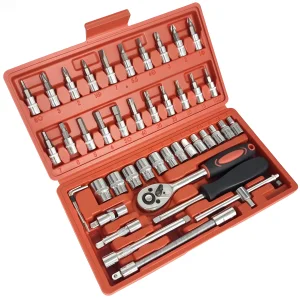
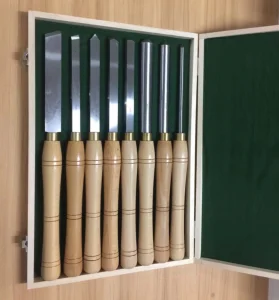
Browse our complete catalog of industrial toolsets, specialized wrenches, and protective equipment built to international safety standards.
 Pargo Tool