Engineered for robust performance under heavy load conditions. These four essential setups provide precision, safety, and efficiency for wood processing plants and furniture workshops across East Africa.
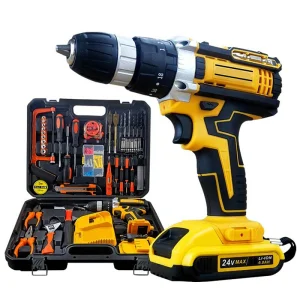
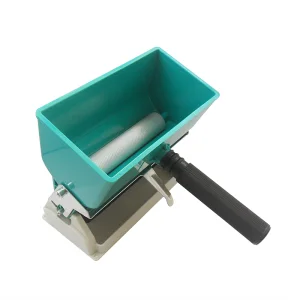
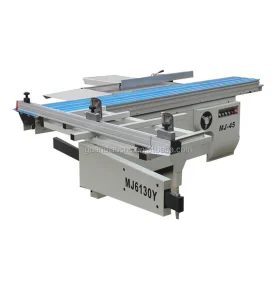
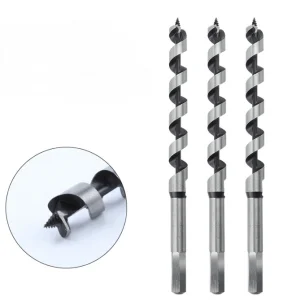
A comprehensive look into Kenya's transition from manual craft to automated, heavy-duty processing of local raw materials.
Kenya's forestry and woodworking sectors are undergoing a massive transformation. Rapid urbanization in metropolitan zones such as Nairobi, Mombasa, Kisumu, Nakuru, and Eldoret has triggered an unprecedented demand for modern real estate, commercial infrastructure, and high-quality residential furnishings. Historically reliant on traditional manual tools, the Kenyan timber sector is rapidly shifting toward automation, CNC milling, precision shaping, and high-speed surfacing machinery.
This industrial transition is heavily influenced by the raw materials being processed. East Africa's unique forestry features a mix of softwoods (such as Cypress and Pine) and tough, abrasive hardwoods (such as Blue Gum/Eucalyptus, Camphor, and Mahogany). Standard tools wear down rapidly when processing hard, resinous timber like Eucalyptus. For this reason, local Kenyan manufacturers require high-grade tool steel (such as Cr-V and High Carbon Steel) and specialized heat treatment to ensure edge retention, minimized tool breakage, and clean surface finishes.
"Because local species like Eucalyptus (Blue Gum) are dense and fibrous, standard tools face premature wear and thermal fatigue. Our specialized production processes are customized to supply industrial-grade cutters, bits, and saws that handle these complex grains with ease, reducing downtime for local factories."
In Nairobi's bustling industrial hubs (such as Gikomba, Mombasa Road, and Kariobangi) as well as the coastal sawmills of Mombasa, the demand for precision tooling is growing. Major application scenarios include:
From raw material sourcing to specialized motor fabrication, discover how our strict quality control fuels your operations.
Zhejiang Pargo Tool Co., Ltd. is a modern hardware and tool enterprise established in 2023. Prior to its formal branding and company restructuring, the founding team had accumulated nearly 15 years of deep experience in the hardware tools industry, covering product development, manufacturing, quality control, and global trade operations.
Since its official launch under the Pargo brand in 2023, Zhejiang Pargo Tool Co., Ltd. has been committed to building a comprehensive and diversified product ecosystem. The company now operates across multiple categories, including hand tools, power tools, garden tools, automotive tools, bathroom hardware, household hardware, and beauty tools. With strong supply chain integration capabilities and an extensive manufacturing network, Pargo offers a wide product portfolio of more than 10,000 SKUs, enabling it to meet the diverse needs of professional users, wholesalers, and everyday consumers.
Guided by the principles of quality-first, innovation-driven development, and long-term cooperation, Pargo places strong emphasis on continuous improvement in product performance, structural durability, ergonomic design, and user experience. The company actively adopts international production and testing standards, while strengthening strategic partnerships with upstream raw material suppliers and downstream distributors to enhance efficiency, stability, and consistency across its product lines. In addition, Pargo is steadily investing in product R&D and packaging optimization to improve brand competitiveness in global markets.
Rooted in Chinese manufacturing culture and craftsmanship spirit, Zhejiang Pargo Tool Co., Ltd. is dedicated to bringing reliable, practical, and cost-effective hardware solutions to global customers. The company embraces the values of mutual benefit, shared growth, and sustainable cooperation, striving to build a trusted international brand in the global hardware industry.
With the vision of "empowering every worksite and household with dependable tools," Pargo continues to expand its international presence across multiple regions. The company is committed to delivering high-value products, responsive customer service, and long-term partnership support, aiming to become a respected and influential brand in the global tools and hardware sector.
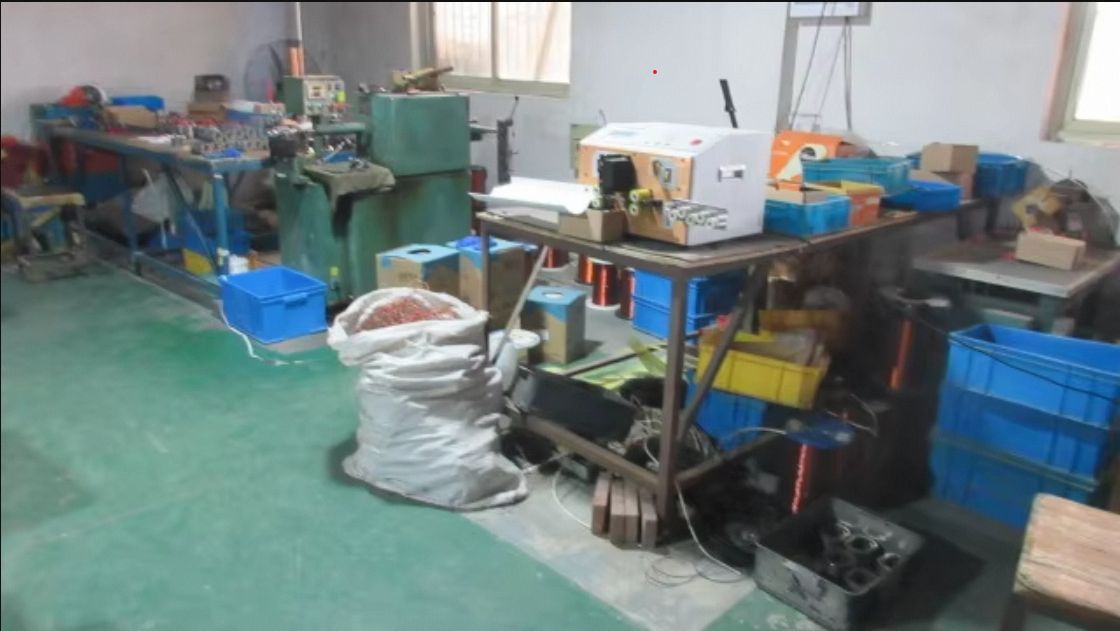
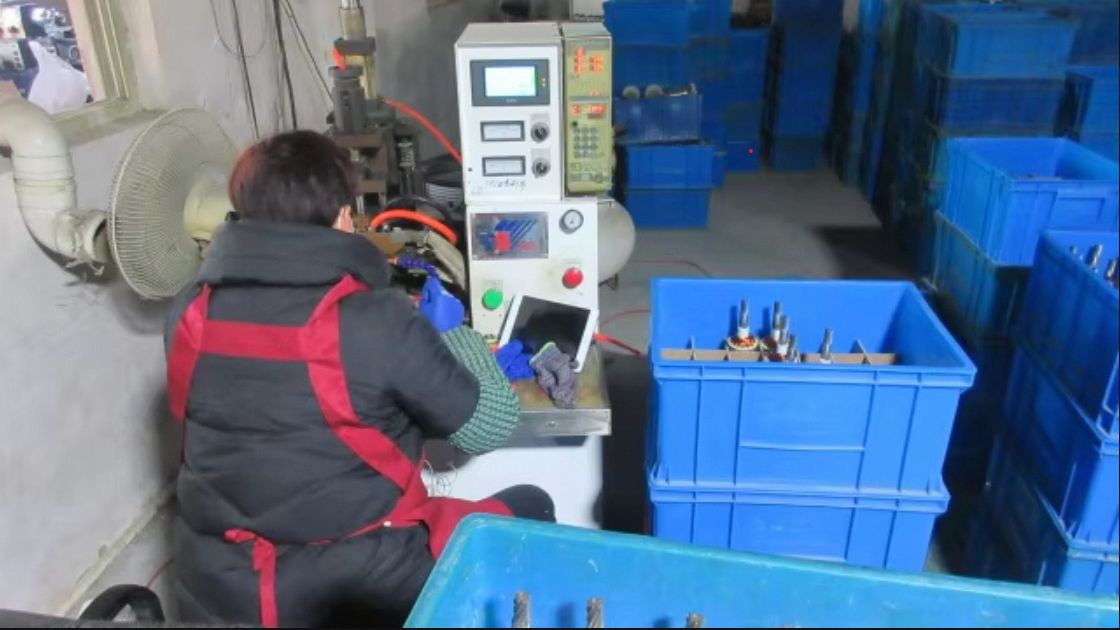
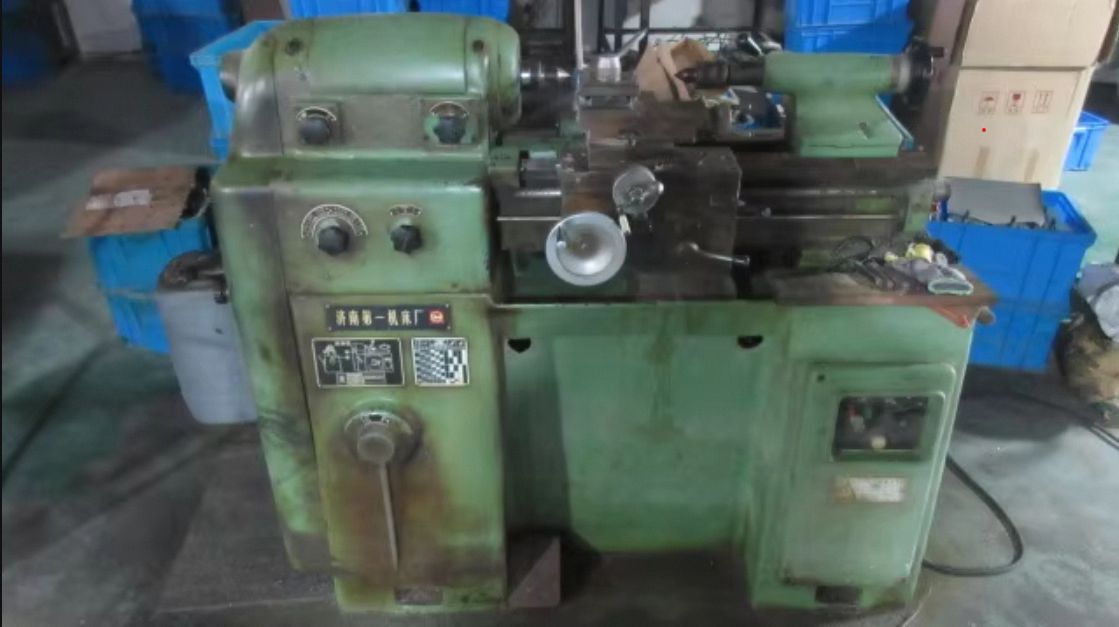
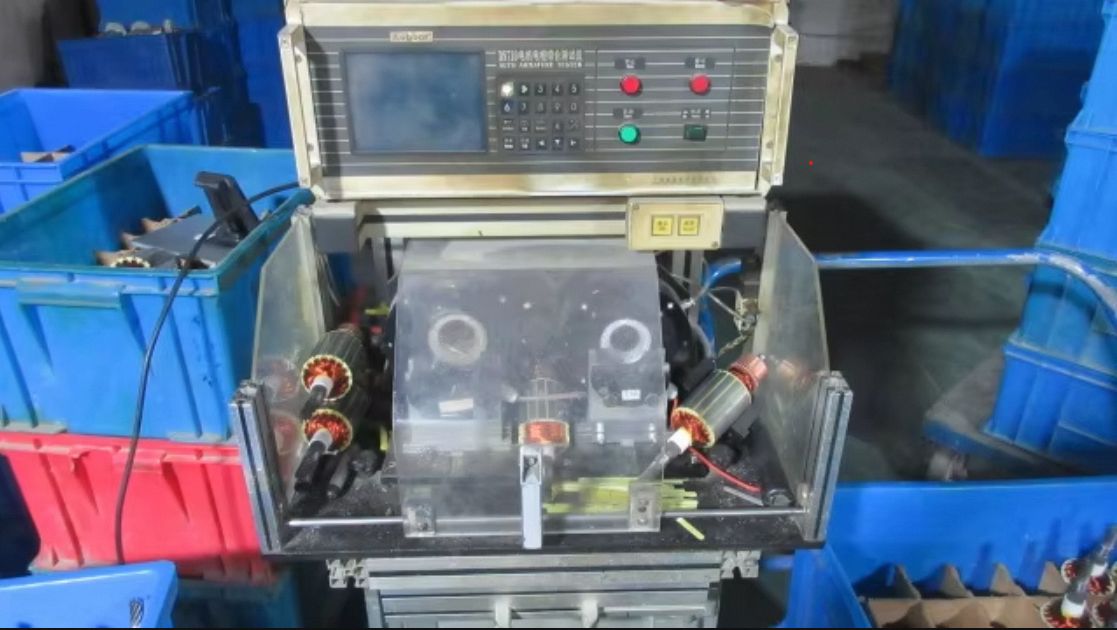
To ensure high performance under tough environmental conditions (including fluctuations in voltage and high-humidity climates in coastal East Africa), we maintain strict quality control standards at our production facility. Below are key stages of our manufacturing process:

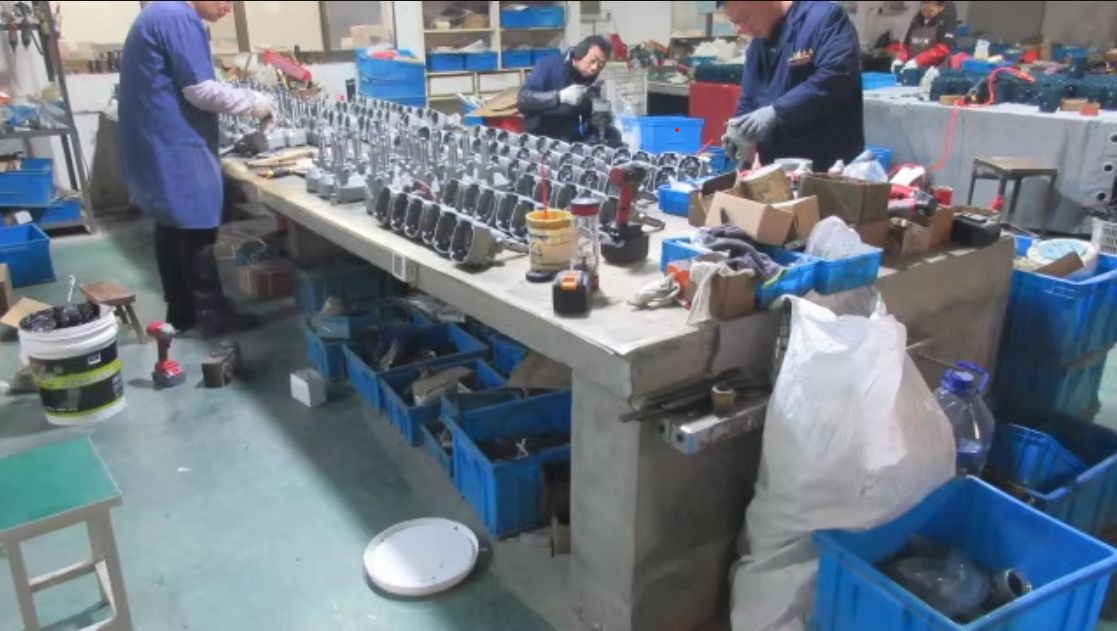
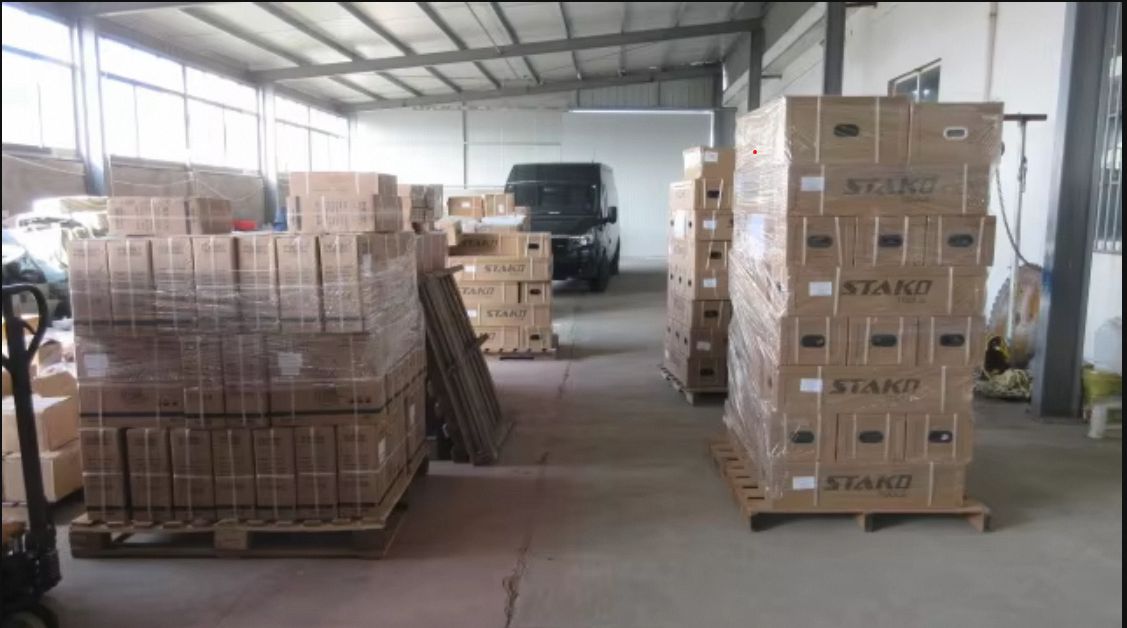
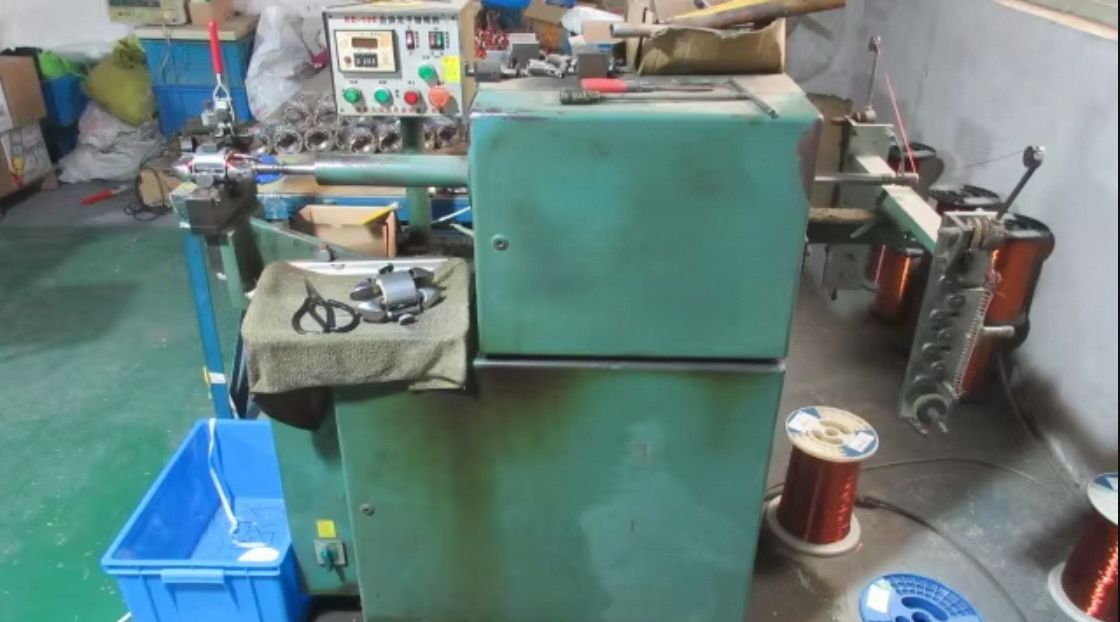
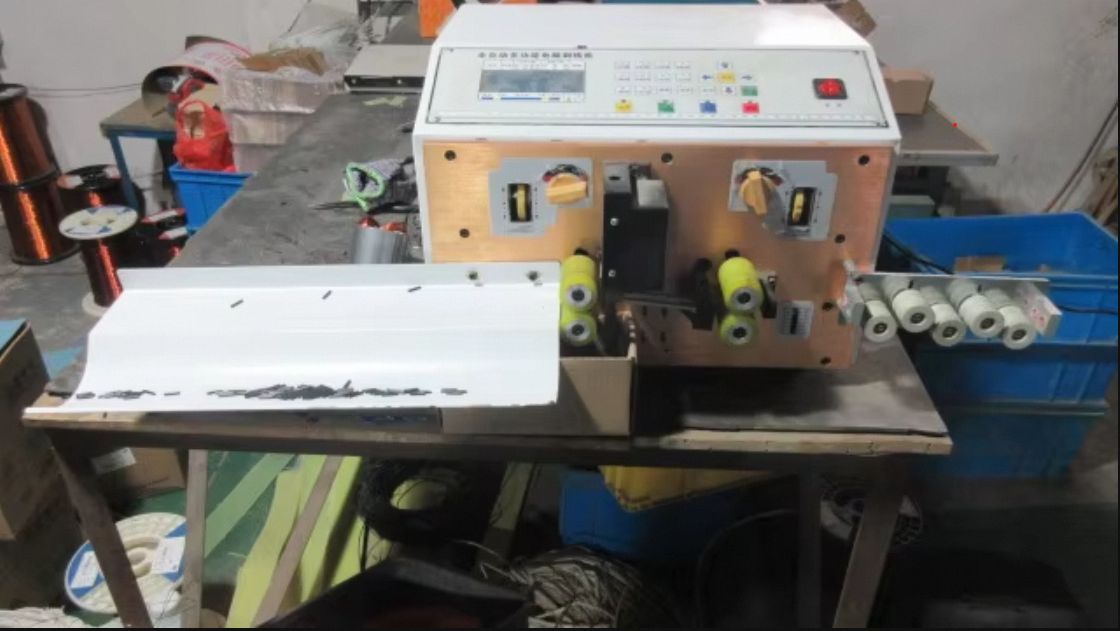
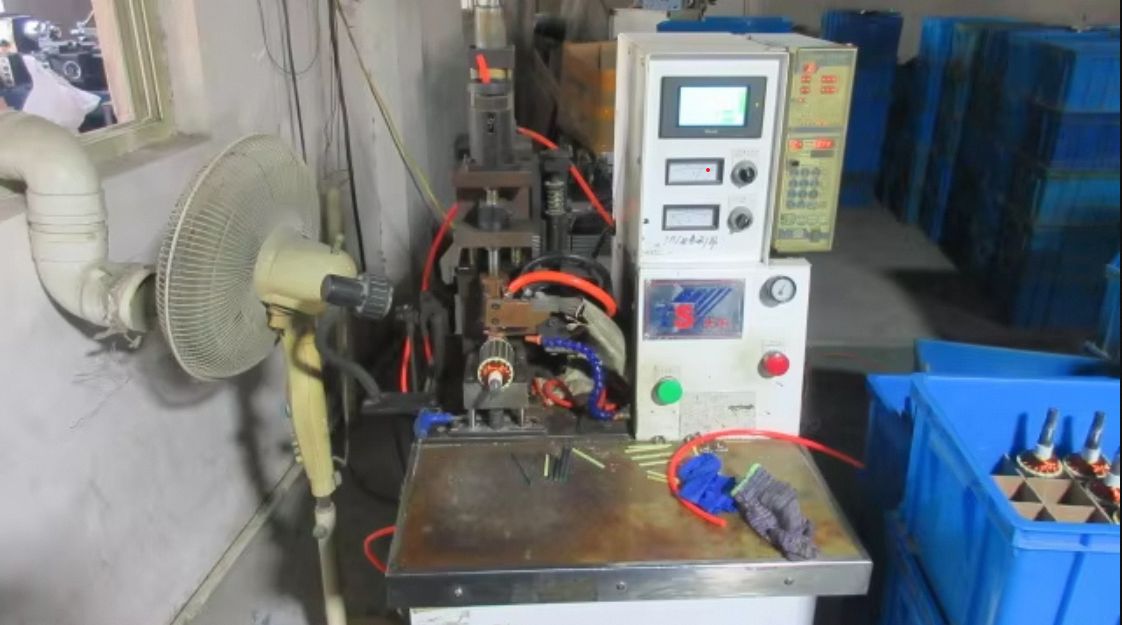
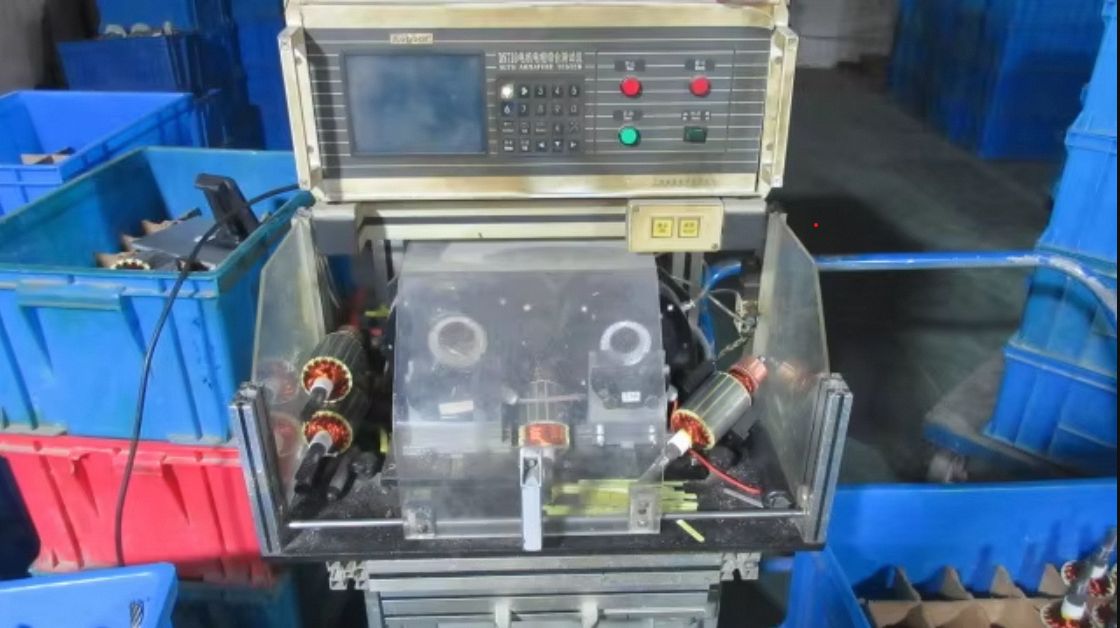
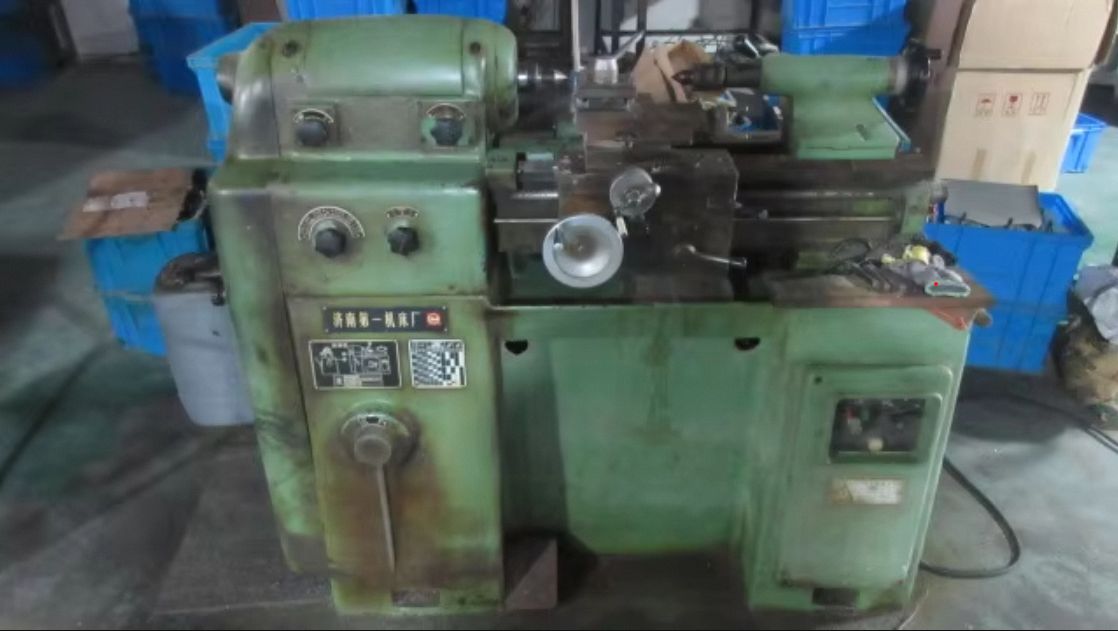
How importing directly from a Chinese production base helps you achieve cost efficiency, quality control, and long-term business growth.
By sourcing raw materials in large quantities and optimizing our tooling designs, we provide highly competitive pricing without sacrificing the build quality required for hardwood processing.
We modify motor designs, adjust cutting angles, and modify voltage settings (240V/415V, 50Hz) to match East African power systems, preventing motor burnout and equipment downtime.
We provide full structural support, spare parts availability, and step-by-step installation guides, helping local distributors manage customer service with ease.
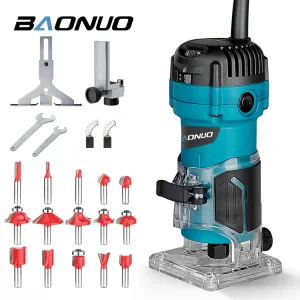
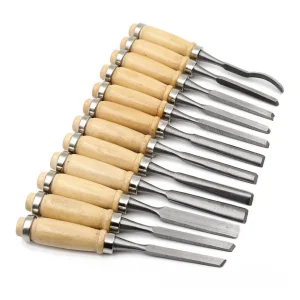
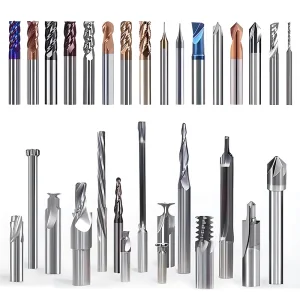
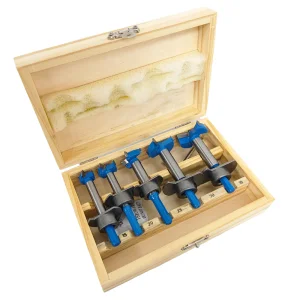
Engineered for durability and clean finishes. These products are optimized for commercial workshop usage across Nairobi, Mombasa, and regional distribution networks.

Understanding clearance, logistics corridors, and local compliance standards for importation into East Africa.
Efficient supply chain planning is crucial for Kenyan distributors, construction firms, and large wood processing mills. Importing industrial machinery and hand tools from China involves navigating logistics pathways, customs clearances, and regulatory frameworks in East Africa.
Port of Entry & Inland Logistics: Most imports enter via the Port of Mombasa, the principal gateway for East Africa. From Mombasa, cargo is transported inland via the Standard Gauge Railway (SGR) to the Nairobi Inland Container Depot (ICD), providing a secure transit route. We provide export packing solutions (such as seaworthy crates, anti-corrosive vacuum packaging, and reinforced moisture barrier films) to ensure your equipment arrives in optimal condition.
Standards & Compliance (PVoC): Products imported into Kenya must comply with the Pre-Export Verification of Conformity (PVoC) program mandated by the Kenya Bureau of Standards (KEBS). This process requires testing by accredited certification bodies before shipping. Our manufacturing quality control processes align with international standards, helping you secure the Certificate of Conformity (CoC) required for smooth customs clearance at Mombasa.
Answers to common operational, logistics, and technical questions regarding sourcing and running industrial tooling in Kenya.
Connect with our technical design team to discuss your machinery requirements, custom OEM orders, or distribution options for Kenya and the wider East African market.
Request a Direct Factory Quote Pargo Tool