Engineered for high performance under extreme conditions, optimized for key sectors of the developing Ethiopian economy.
Analyzing localized application scenarios, regulatory alignments, and industrial expansion in East Africa.
Ethiopia is currently experiencing an unprecedented economic transformation, positioning itself as a manufacturing and light-industrial hub in Sub-Saharan Africa. The expansion of massive economic zones such as the Hawassa, Bole Lemi, and Adama Industrial Parks has driven a major influx of manufacturing FDI. Simultaneously, mega-infrastructure projects—such as the Grand Ethiopian Renaissance Dam (GERD), structural upgrades to the national electrical grid, and modern railway connections—demand high-durability, certifiable personal protective equipment (PPE).
In these highly dynamic environments, workplace safety is no longer optional; it is structurally integrated into corporate operational frameworks and mandated by local enforcement. Industrial contractors, state utilities (like Ethiopian Electric Power), and international developers operating in Ethiopia require continuous access to heavy-duty protective equipment. The local climate, characterized by intense high-altitude sun, heavy seasonal rains, and particulate-heavy environments in mining and agriculture, requires specific equipment formulations. Equipment must offer UV degradation resistance, ventilation for temperature control, and rigorous impact protection.
According to safety directives under the Ethiopian Ministry of Labor and Skills (MOLS) and the Ethiopian Standards Agency (ESA), commercial projects must strictly align safety gear parameters with global ISO, CE, and ANSI standards to reduce workplace hazard indexes and optimize insurance protocols.
To achieve maximum information gain, we analyze four specific industrial sub-sectors in Ethiopia requiring bespoke safety equipment specifications:
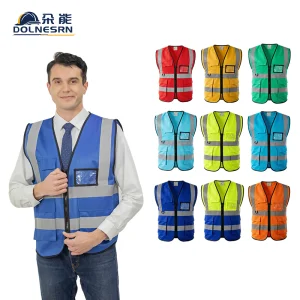
Requires CE EN 397 certified shock absorption helmets, high-visibility Class 2 reflective vests for night works on transport corridors, and EN 388 mechanical protection gloves to counter puncture risks from concrete reinforcing rebar.
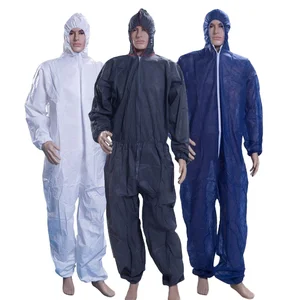
Demands Category III chemical protective coveralls (Type 5/6 dustproof and spray-resistant) to protect operators handling agricultural fertilizers and pesticides in regions like the Rift Valley agricultural developments.
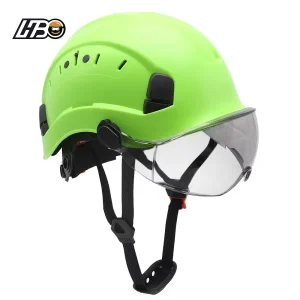
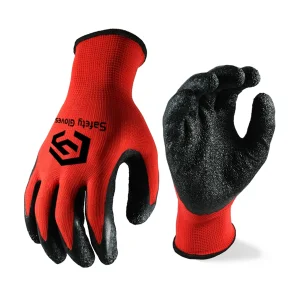
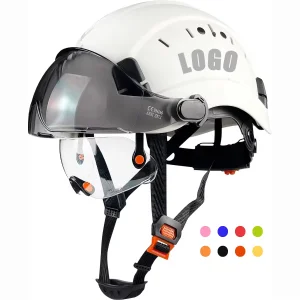
Requires heavy-duty ventilated ABS helmets with integrated visors for debris protection, combined with high-dexterity PU/nitrile coated grip gloves for precision handling under deep mining moisture conditions.
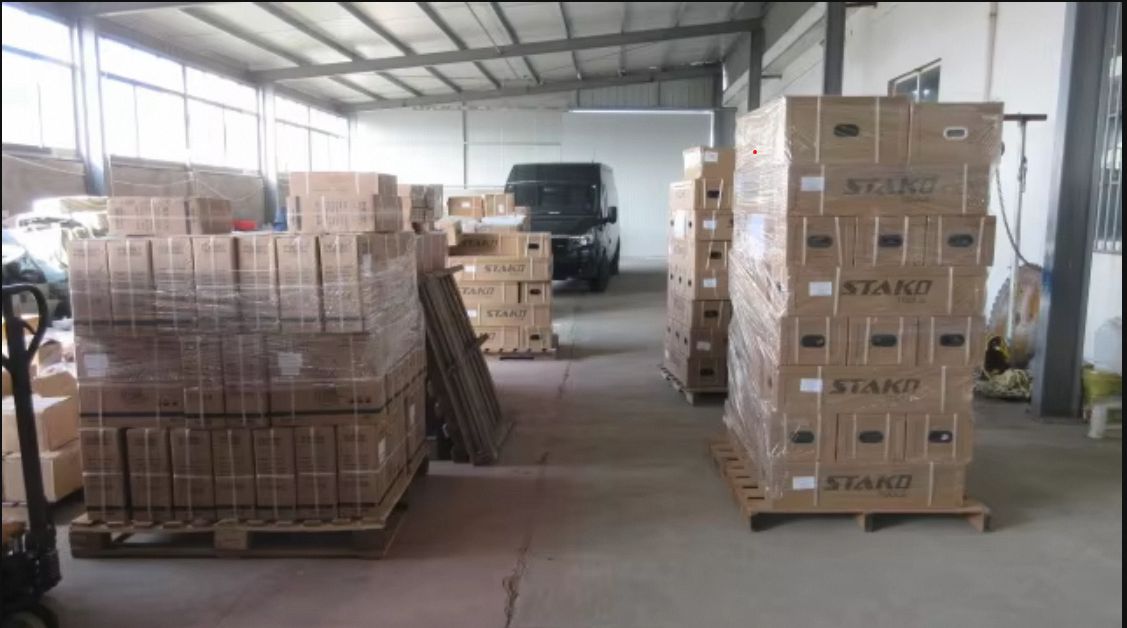
Leveraging deep industrial experience, global distribution networks, and advanced production controls to secure safety gear supply lines.
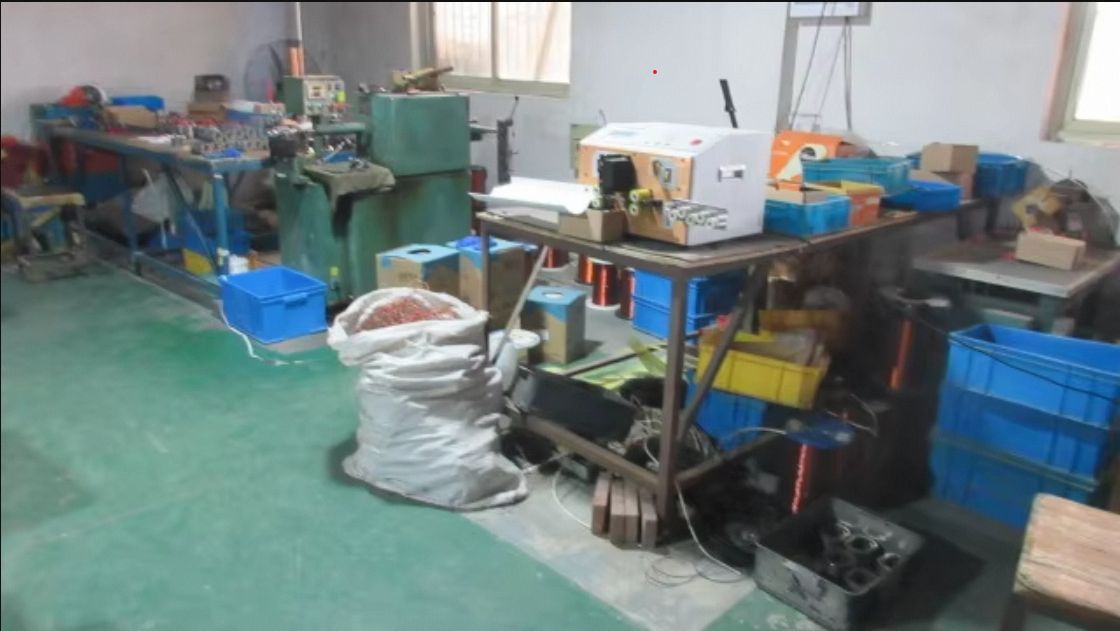
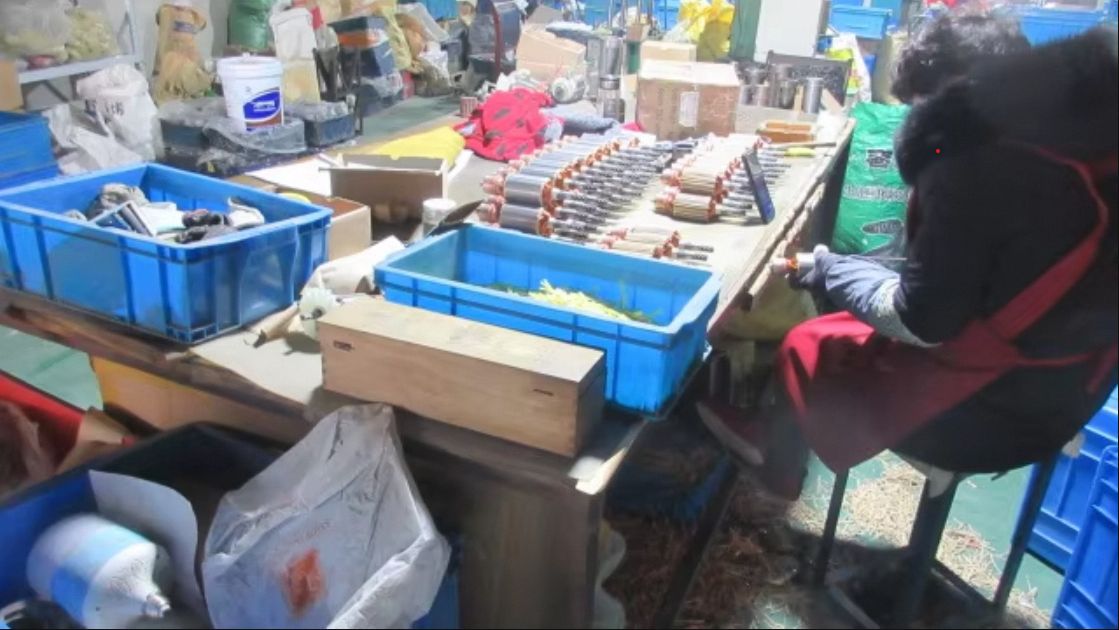
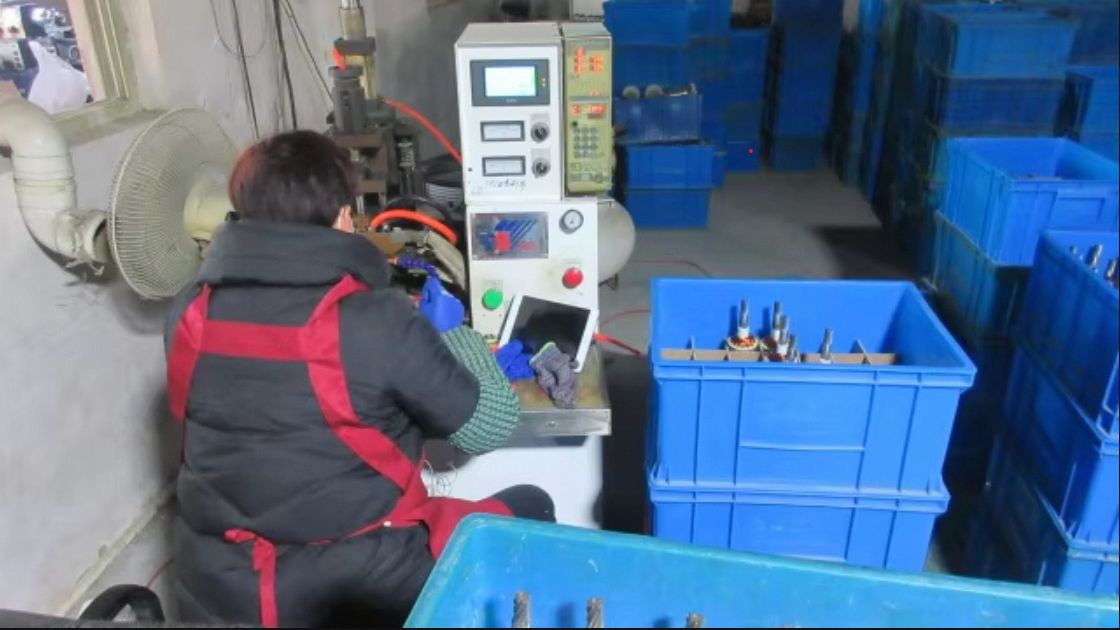
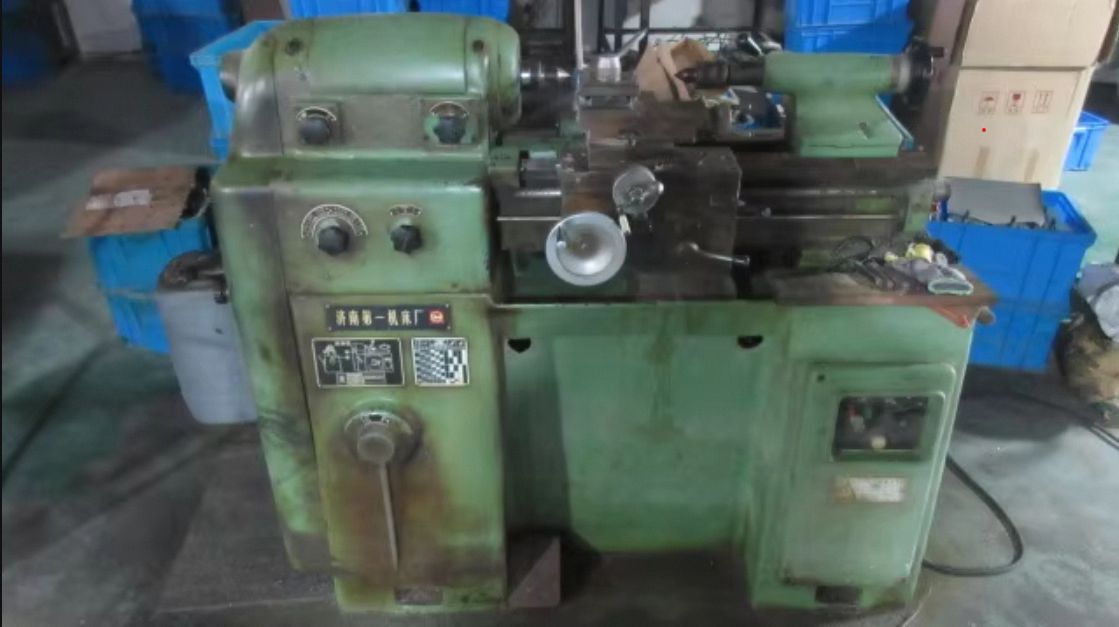
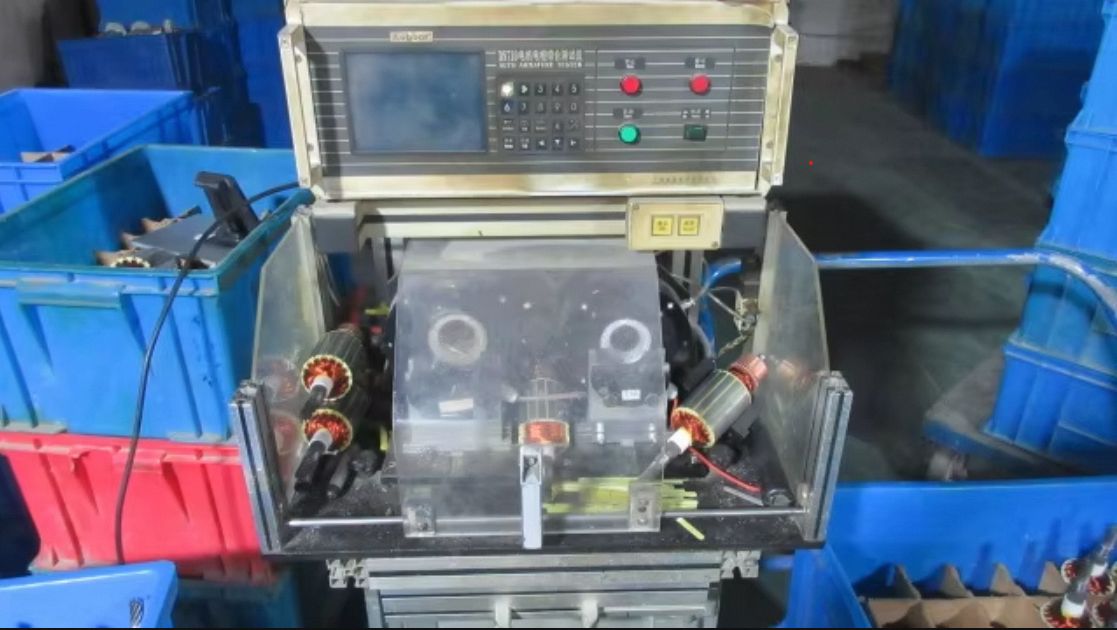
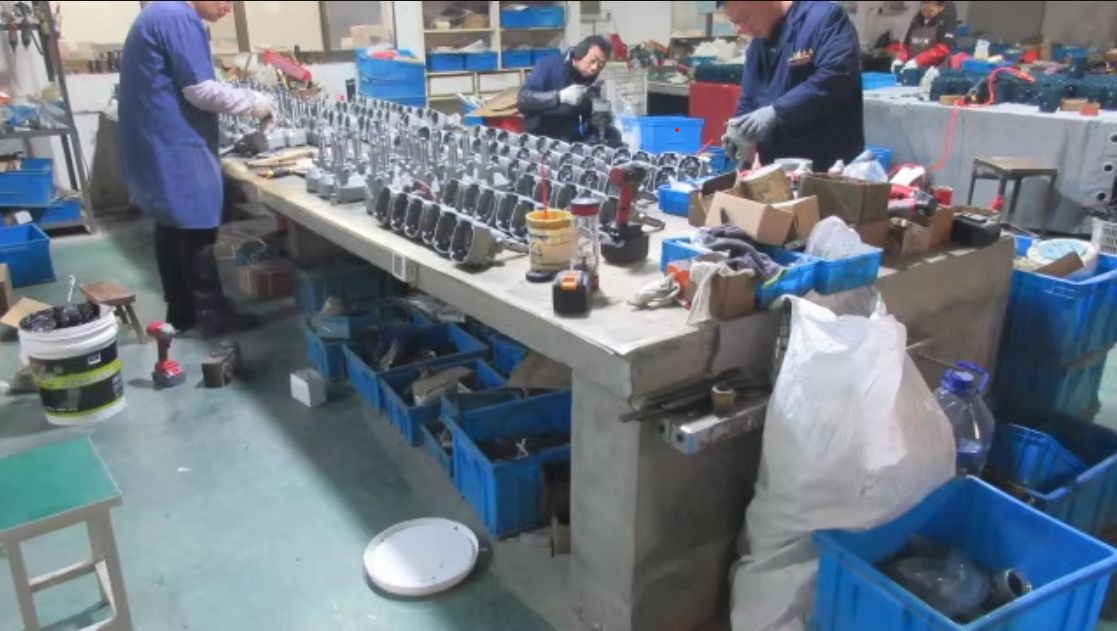
Established as a modern hardware and safety tool enterprise, Zhejiang Pargo Tool Co., Ltd. represents the integration of engineering capability and global trade efficiency. The founding team brings nearly 15 years of technical expertise in hardware, machinery, and PPE product development, manufacturing, strict quality control (QC), and global supply chains.
Operating a portfolio that spans hand tools, high-grade safety equipment, and industrial protective gear, Pargo has structured an ecosystem comprising over 10,000 SKUs. This scale ensures that whether you are a high-volume national distributor in Addis Ababa, an infrastructure contractor working on regional dry ports, or a mining operator, our supply chains deliver consistent specifications without product variance.
A deep look into materials science, mechanical certifications, and environmental adaptability parameters.
Modern personal protective equipment relies on advanced material formulations to ensure maximum safety. Our manufacturing processes utilize engineered polymers such as high-density Acrylonitrile Butadiene Styrene (ABS) for helmets. ABS offers exceptional impact strength, high thermal stability, and superior dielectric insulation properties, making it essential for electrical infrastructure work.
For hand protection, we integrate High-Performance Polyethylene (HPPE) and carbon-infused fibers. HPPE offers cut-resistance ratings up to Level 5 under the EN 388 standard while remaining highly breathable. In chemical protection, non-woven polypropylene structures are treated with breathable polyethylene films. This structural composition creates a barrier against chemical particulate penetration (meeting EN 13034 Type 5/6 classifications) while allowing heat dissipation to reduce fatigue in hot climates.
Importing safety products into the East African region requires strict compliance verification. We ensure all exported gear carries verifiable markings:
Select specialized equipment categorized for heavy industry, mechanical maintenance, biological protection, and occupational safety.
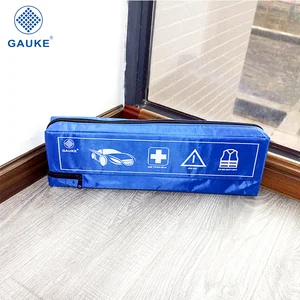

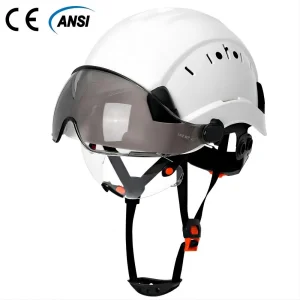
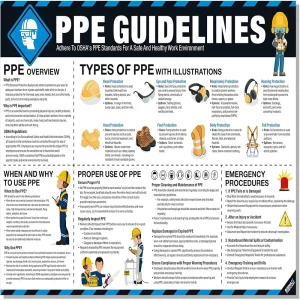
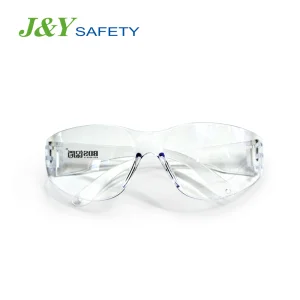
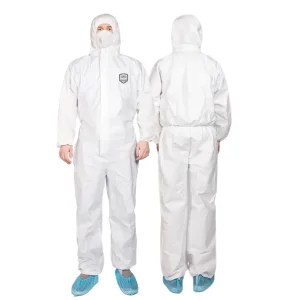

Strategic logistics integration from Chinese manufacturing hubs to East African commercial centers.
As a landlocked nation, Ethiopia relies primarily on the Port of Djibouti for transit trade. We have established optimized multimodal logistics routes linking Zhejiang's manufacturing corridors with the Djibouti-Addis Ababa railway system. By coordinating shipping schedules with major container lines, we reduce port storage times and lower total logistics costs.
Additionally, our teams handle all export customs processes, certificate of origin verifications, and compliance declarations. We work directly with your logistics agents to clear import inspections at Mojo Dry Port and other inland terminals. By optimizing container space, we lower per-unit transport costs, passing these savings on to local distributors in Ethiopia.
For large-scale contractors and national distributors, we offer custom OEM integrations. This service includes printing company logos directly onto hard hats, customizing color variations for reflective vests to match corporate branding, and altering packaging configurations to simplify transport. Every customized product complies with safety certifications, ensuring that visual modifications do not compromise the equipment's protective capabilities.
Expert clarifications regarding compliance, logistics, manufacturing minimums, and standards for the Ethiopian safety market.
 Pargo Tool